Common Exercise Pains – How to Work Past Them and When to Call for Help
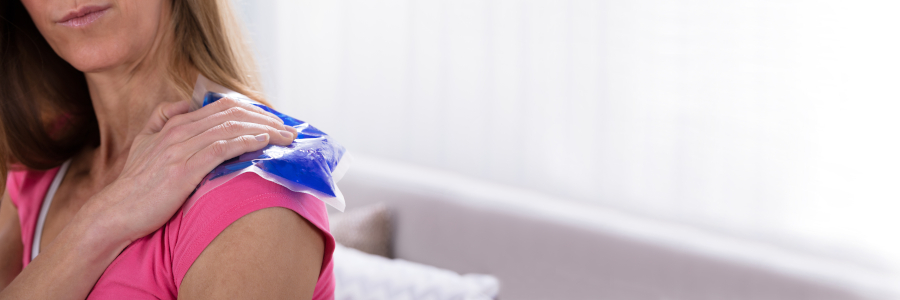
In physical fitness, pain can be a signal that something's wrong with your body and may have nothing to do with your actions. For example, if you were to stop exercising immediately after feeling any pain (even mild discomfort), your body would try to heal itself by shutting down certain functions until it could repair itself safely and efficiently.
But if you ignore the signals and keep exercising, your body will eventually go into overdrive trying to heal itself or shut down completely, leading to injuries or serious health concerns. There are many common exercise pains, and it’s important to know how to work past them and when to call for help.
Tight Chest
Anyone who does any weight training knows that having a tight chest can make it hard to lift weights or even breathe properly when doing exercises like crunches, push-ups, and bench presses. To avoid this problem, try doing side lying triceps extensions or cable pushdowns instead of regular push-ups so that your weight doesn't push too hard on your chest muscles, causing pain there too. If you experience unusual or unexplained tightness in your chest, seek medical care immediately.
Pain in Neck, Shoulders, or Upper Back
You might have pain in these areas because you're working out too much. Ensure you are not overusing your neck, shoulders, or upper back muscles. Also, consider setting aside time for rest between sets. If you feel your body is not responding well to your workout routine, it's time to take a break from working out and see if you can return later. If pain is persistent or gets worse, contact your healthcare professional.
Pain in Lower Back
Exercising with poor form can cause pain in the lower back area. If you feel discomfort when doing exercises such as squats, lunges, and deadlifts, try using a foam roller for self-massage or ask an expert who knows how to help you instead of doing it yourself. You can also try using an exercise ball instead of weights for better comfort when performing specific exercises.
Stay Safe
Staying active as we age is excellent for our physical and mental health. However, knowing when to slow down, stop, or even seek help is critical to ensuring you don't cause any irreversible harm. We only have one body to care for. So, when in doubt, always seek the advice of a licensed physician.
Featured Blogs
- Do You Need RV Insurance If You Only Use It a Few Times a Year?
- What If a Guest Gets Hurt? How Liability Coverage Works During the Holidays
- What Isn’t Covered by Homeowners Insurance?
- Top 10 U.S. Roadside Attractions to Visit this Summer
- Bikes, Kayaks, and Rooftop Gear: What Your Insurance Covers
- testing draft version
- Summer Safety Tips: Protecting Your Property and Liability Risks
- New Opaen Ai
- ChatGPT Testing Blog
- Closing Out the Year with a Smile!
- Why Do I Keep Breaking My New Year's Resolutions?
- What Does My Home Insurance Policy Cover?
- I’m 60+; Do I Need Life Insurance?
- production-blog
- Common Exercise Pains – How to Work Past Them and When to Call for Help
- testing
- 6 Factors Impacting Homeowners Insurance Costs
- What are the Safest States From Natural Disasters?
- How to Protect Your Home from Wildfires
- Don’t Throw Away Those Used Coffee Grounds
- I’m 50 Years Old. Should I Keep My Life Insurance?
- Are Personal Items Covered by My Auto Insurance Policy?
- How to Spot Government Imposters
- 5 Mistakes to Avoid When Buying a Life Insurance Policy
- Do I Really Need Condominium Insurance?
- Happiness Through Healthy Food
- 5 Step Checklist to Choosing a Health Insurance Plan
- The Cost of Home Ownership
- 5 Creative Spring Décor Ideas
- 10 Ways to Maintain Healthy Joints
- 3 Incredible Healthcare Smart Technologies Coming Your Way
- How to Choose an In-Home Care Provider for Your Loved One in 5 Steps
- 5 Foods that Will Help Keep Your Mind Healthy
- 7 Myths About Your Back Pain
- Forget Salad Recipes, Try a Salad “Matrix”
- Tets 1
- Tets