How to Protect Your Home from Wildfires
Your home is one of the most significant investments you will make. It provides a sanctuary for your family to live, thrive, and grow. Yet, what may be unexpected is nearly 60 million homes were less than one mile away from a wildfire between 1992 and 2015. And the numbers only continue to grow.
Fortunately, you can take steps to protect your home from wildfire. Let’s review the top six steps you can take to protect your home.
Strengthen Your Roof – Replace eaves with ones with flat ledges and short overhangs to reduce embers attaching to your roof. In addition, install a class A-rated roof built with non-combustible materials and improve the likelihood of wildfire survivability.
Protect Openings – Embers are extremely dangerous when a wildfire occurs. Ensure eave and exterior attic vents are covered with 1/8” metal mesh screening. Close your foundation and install fire blocks where gaps in framed walls exist to reduce the fire’s access to oxygen.
Improve Your Exterior – Cover your home’s exterior with fire-resistant or noncombustible material that will not melt. Install multi-pane windows, fireproof shutters, or tempered safety glass to reduce damage caused by wildfire.
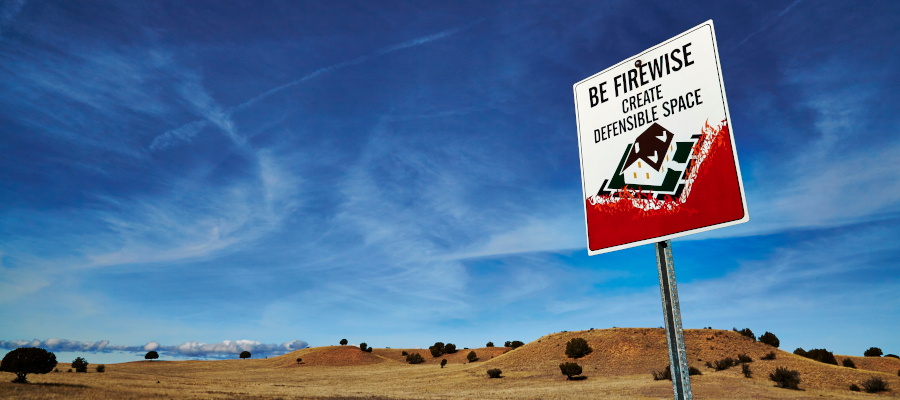
Create a Defensible Space – Eliminate flammable vegetation within 30 feet of your home (up to 100 feet in Zone 5). Replace vegetation with noncombustible materials like rock, concrete, stone, or brick. Regularly clean debris from your roof and around your home.
Provide Water Access – Consider creating water sources such as a pond or water tank with a sprinkler system with a dedicated power supply. If space or cost is prohibitive, use garden hoses long enough to reach all areas of your property and fill garbage cans, jugs, or other containers.
Review Your Insurance – Regularly review your homeowners, mobile home, or renters’ insurance policy to confirm you have adequate coverage for your property. Make sure you have additional coverage to cover the cost of displacement in the event you are unable to return to your home after a wildfire.
Wildfires can destroy property in a matter of minutes. Your first objective is to keep you and your family safe by having an evacuation plan. Property can be replaced – life cannot.
These steps to protect your home from fires can also help reduce your insurance costs. Contact me today to review your coverage. We can also look into ways you can reduce both your fire risk and insurance costs.
Featured Blogs
- Do You Need RV Insurance If You Only Use It a Few Times a Year?
- What If a Guest Gets Hurt? How Liability Coverage Works During the Holidays
- What Isn’t Covered by Homeowners Insurance?
- Top 10 U.S. Roadside Attractions to Visit this Summer
- Bikes, Kayaks, and Rooftop Gear: What Your Insurance Covers
- testing draft version
- Summer Safety Tips: Protecting Your Property and Liability Risks
- New Opaen Ai
- ChatGPT Testing Blog
- Closing Out the Year with a Smile!
- Why Do I Keep Breaking My New Year's Resolutions?
- What Does My Home Insurance Policy Cover?
- I’m 60+; Do I Need Life Insurance?
- production-blog
- Common Exercise Pains – How to Work Past Them and When to Call for Help
- testing
- 6 Factors Impacting Homeowners Insurance Costs
- What are the Safest States From Natural Disasters?
- How to Protect Your Home from Wildfires
- Don’t Throw Away Those Used Coffee Grounds
- I’m 50 Years Old. Should I Keep My Life Insurance?
- Are Personal Items Covered by My Auto Insurance Policy?
- How to Spot Government Imposters
- 5 Mistakes to Avoid When Buying a Life Insurance Policy
- Do I Really Need Condominium Insurance?
- Happiness Through Healthy Food
- 5 Step Checklist to Choosing a Health Insurance Plan
- The Cost of Home Ownership
- 5 Creative Spring Décor Ideas
- 10 Ways to Maintain Healthy Joints
- 3 Incredible Healthcare Smart Technologies Coming Your Way
- How to Choose an In-Home Care Provider for Your Loved One in 5 Steps
- 5 Foods that Will Help Keep Your Mind Healthy
- 7 Myths About Your Back Pain
- Forget Salad Recipes, Try a Salad “Matrix”
- Tets 1
- Tets