5 Foods that Will Help Keep Your Mind Healthy
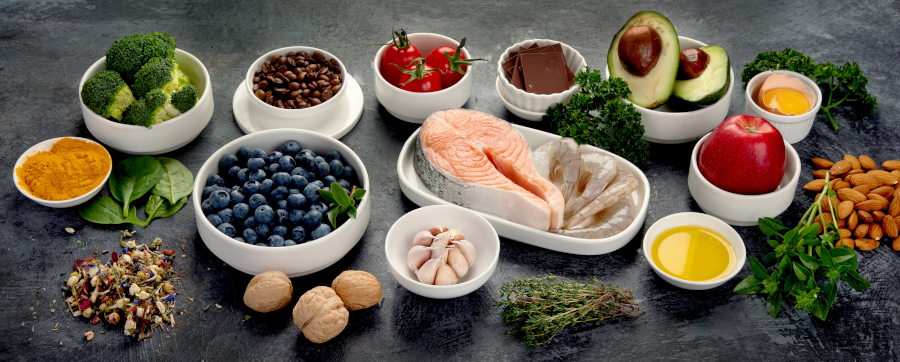
Experts have concluded that environmental, genetic, and lifestyle factors like diet and nutrition cause dementia. In addition, medical conditions like heart disease, blood pressure, obesity, and diabetes also play a part in cognitive decline and are affected mainly by your food.
Having a good diet and nutrition has shown evidence to help reduce the risk of dementia as people get older. Some of the best foods include:
Leafy Greens
Leafy greens have high amounts of antioxidants, phytonutrients, vitamin K, and B vitamins like B9 and folates, which help boost brain health and prevent cognitive decline. Some leafy greens to try to include spinach, collard greens, kale, Swiss chard, leaf lettuce, romaine lettuce, and arugula.
You can add them to your salads, soups, stews, pesto, sauces, and smoothies to incorporate them into your diet all day.
Berries
Cherries, blackberries, blueberries, and raspberries are rich in anthocyanin, a flavonoid that stops brain damage progression triggered by free radicals. They also contain antioxidants, anti-inflammatory compounds, minerals, fiber, and a range of vitamins that help prevent inflammation and help maintain brain health.
Nuts and Seeds
Nuts like walnuts, pecans, almonds, peanuts, and cashews are rich in omega-3 fatty acids, healthy fats, magnesium, B vitamins, and vitamin E, which help promote brain health and prevent the signs of dementia as you age.
English walnuts contain high anti-inflammatory phytochemicals, which reduce inflammation in the brain cells and help maintain maximum brain health. Likewise, seeds like flax seeds, pumpkin seeds, and sunflower seeds have high antioxidants, omega-3s, vitamin E, and choline, which help boost brain health and prevent cognitive decline.
Fish
Fish like sardines, salmon, mackerel, herring, and cod are rich in Omega-3 fatty acids, which help promote better brain health and protect brain function. Packed with vitamin B12, fish helps maintain optimal brain health. Conversely, experts associate low vitamin B12 levels with cognitive impairment.
Cruciferous Vegetables
Cruciferous vegetables like cauliflower, broccoli, and Brussels sprouts are rich in carotenoids and B vitamins. These help lower homocysteine, an amino acid associated with dementia, brain atrophy, and cognitive decline. You can eat them as salads or add them to condiments, smoothies, and soups.
Featured Blogs
- Do You Need RV Insurance If You Only Use It a Few Times a Year?
- What If a Guest Gets Hurt? How Liability Coverage Works During the Holidays
- What Isn’t Covered by Homeowners Insurance?
- Top 10 U.S. Roadside Attractions to Visit this Summer
- Bikes, Kayaks, and Rooftop Gear: What Your Insurance Covers
- testing draft version
- Summer Safety Tips: Protecting Your Property and Liability Risks
- New Opaen Ai
- ChatGPT Testing Blog
- Closing Out the Year with a Smile!
- Why Do I Keep Breaking My New Year's Resolutions?
- What Does My Home Insurance Policy Cover?
- I’m 60+; Do I Need Life Insurance?
- production-blog
- Common Exercise Pains – How to Work Past Them and When to Call for Help
- testing
- 6 Factors Impacting Homeowners Insurance Costs
- What are the Safest States From Natural Disasters?
- How to Protect Your Home from Wildfires
- Don’t Throw Away Those Used Coffee Grounds
- I’m 50 Years Old. Should I Keep My Life Insurance?
- Are Personal Items Covered by My Auto Insurance Policy?
- How to Spot Government Imposters
- 5 Mistakes to Avoid When Buying a Life Insurance Policy
- Do I Really Need Condominium Insurance?
- Happiness Through Healthy Food
- 5 Step Checklist to Choosing a Health Insurance Plan
- The Cost of Home Ownership
- 5 Creative Spring Décor Ideas
- 10 Ways to Maintain Healthy Joints
- 3 Incredible Healthcare Smart Technologies Coming Your Way
- How to Choose an In-Home Care Provider for Your Loved One in 5 Steps
- 5 Foods that Will Help Keep Your Mind Healthy
- 7 Myths About Your Back Pain
- Forget Salad Recipes, Try a Salad “Matrix”
- Tets 1
- Tets