Does Your Insurer Track Your Driving with a Device? What to Know Before You Opt In
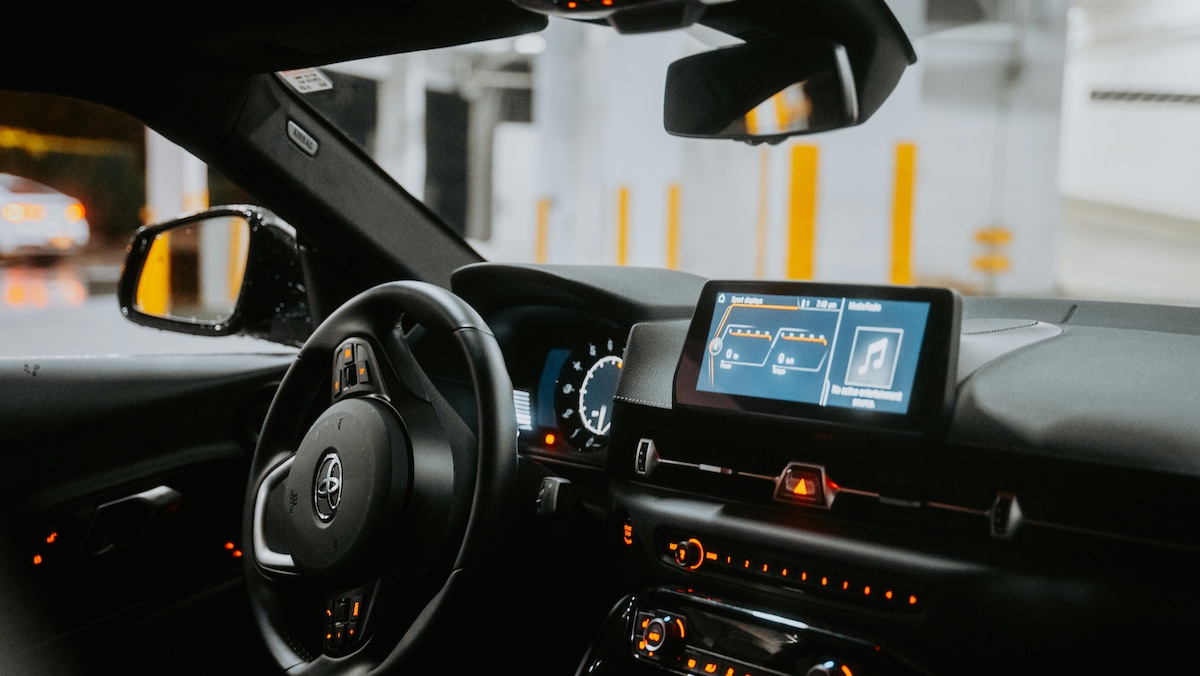
In the age of smart technology, it's no surprise that car insurance has gone digital. More insurers now offer tracking devices or mobile apps that monitor your driving habits in exchange for potential premium discounts. While these programs, known as telematics, can be a great way to save money, there are important considerations before you plug in or download.
What Is Telematics?
Telematics is the use of technology to collect data on your driving behavior. This data can include speed, acceleration, hard braking, cornering, mileage, time of day you drive, and even phone usage behind the wheel. Devices can be installed in your vehicle’s diagnostic port (OBD-II), or you may be asked to install an app on your smartphone that uses GPS and motion sensors.
Orwellian? Perhaps.
But the reward for safe drivers is lower premiums. According to the Insurance Research Council, drivers who participate in telematics programs can save up to 20% on their premiums, depending on their driving behavior and the insurer’s program rules.
Benefits for Insurers and Policyholders
From the insurer’s perspective, telematics programs provide more accurate pricing based on actual risk, not just age, location, or credit score. For policyholders, this means:
- Potential for lower rates
- Real-time feedback to improve driving habits
- Personalized risk assessments over generalized assumptions
Generally, however, there is still some pushback by consumers in allowing the use of telematics in their vehicle. A 2023 report by TransUnion found that 51% of drivers are against using telematics, even if it could help lower their premiums.
What to Consider Before You Opt In
While the savings can be appealing, it’s essential to read the fine print:
- Initial Discount vs. Final Rate: Many programs offer a sign-up discount, but your final rate depends on your driving during the evaluation period. A few hard brakes or late-night drives could reduce your savings or even raise your premium.
- Privacy Concerns: You're sharing real-time data with your insurer. Understand what is being collected, how it’s used, and how long it's stored.
- Data Disputes: If your app or device misreads an event, like hard braking due to avoiding an accident, you may have little recourse if it negatively impacts your score.
- Opt-Out Rules: Some insurers may not allow you to exit the program mid-term, so understand the commitment before enrolling.
It’s Your Choice
For now, telematics is optional for drivers. While telematics can be a great tool for safe drivers looking to save money, it may not be for everyone. Before opting in, weigh the pros, review the program terms, and consider how comfortable you are with being tracked behind the wheel.
Still unsure? Contact our office and we’ll help you determine if a telematics program fits your driving habits and insurance goals.
Featured Blogs
- Why Dental Isn’t Covered by Health Insurance Plans (And Why That Matters)
- Freezing Pipes: Prevention Tips and What Your Homeowners Insurance Really Covers
- What Are Accelerated Death Benefits in Life Insurance?
- Do You Need RV Insurance If You Only Use It a Few Times a Year?
- What If a Guest Gets Hurt? How Liability Coverage Works During the Holidays
- Life Insurance for a Non-Working Spouse or Partner: Protecting the Priceless
- Do Healthy People Really Need Health Insurance?
- How Your Credit Score Affects Your Auto Insurance Rate (and What You Can Do about It)
- Protecting College Students' Belongings: What You Need to Know
- TITLE
- Will Insurance Cover a Contractor or Handyman Injury on Your Property
- Your College Student Is Off to School—Is Their Stuff Covered?
- AI MODEL
- Top 5 Myths about Umbrella Insurance—Busted
- Does Your Insurer Track Your Driving with a Device? What to Know Before You Opt In
- Home Renovation? Here's When to Notify Your Insurance Agent
- Does Your Car Insurance Cover Riots, Vandalism, or Civil Unrest?